Login
Login
Varicose Veins Explained: Symptoms, Causes, and Care
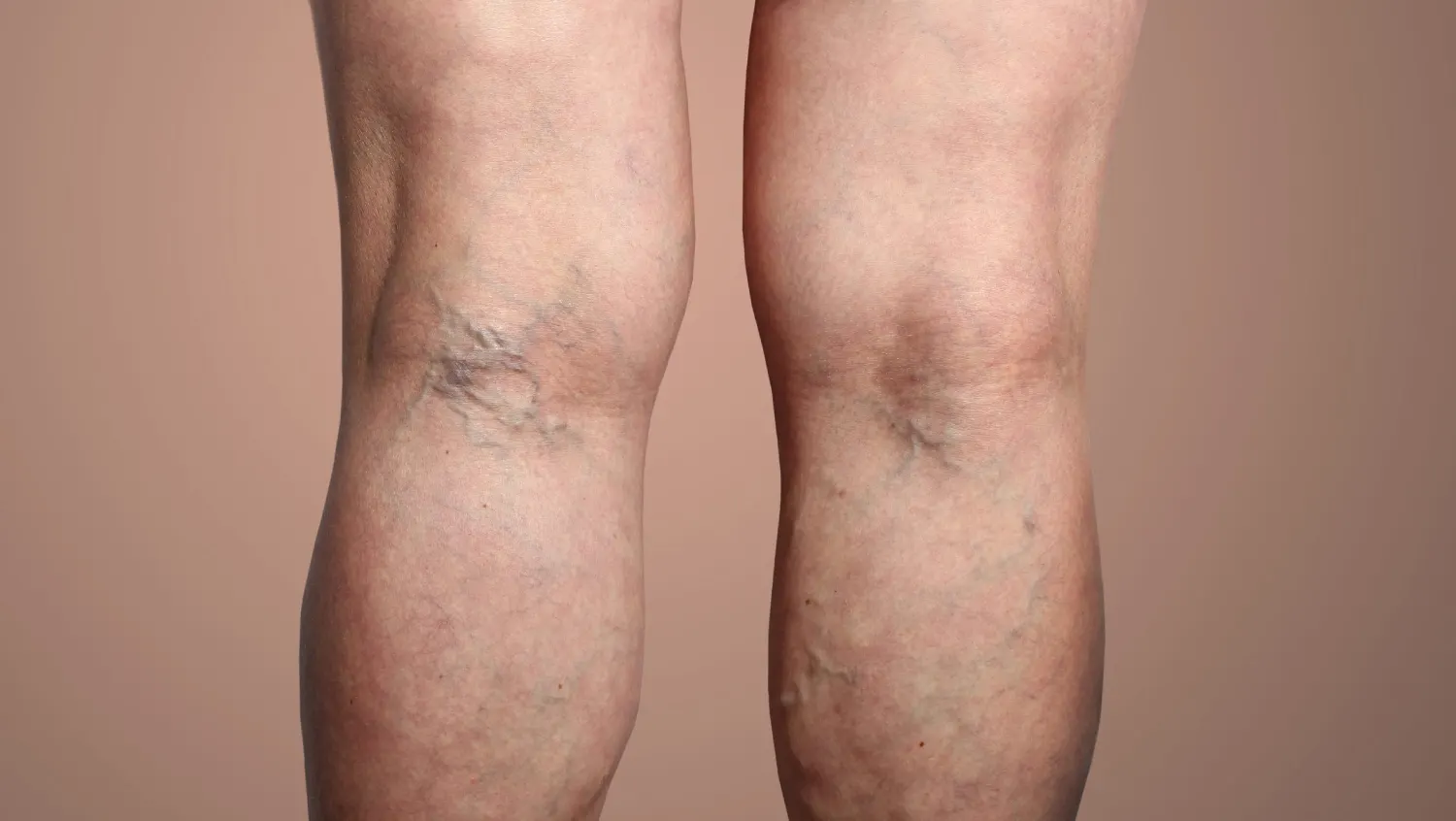
Varicose veins are a common condition that affects millions of individuals today. They often appear as swollen, raised, and dark blue or purple veins, primarily on the legs. While generally not a serious health risk, they can lead to discomfort and may indicate underlying circulatory issues. At Metro Vein Centers, patients receive specialized care focused on diagnosing and treating vein conditions effectively. Understanding varicose veins—including their symptoms, causes, and available care options—is essential for proper management. This article provides a comprehensive look at what varicose veins are, their symptoms, potential causes, and recommended care practices to support better vein health.
Understanding Varicose Veins
Varicose veins occur when veins in the legs become enlarged and twisted due to damaged valves. These valves are intended to prevent blood from flowing backward, ensuring it moves efficiently to the heart. But, when these valves weaken or become ineffective, blood can pool in the veins, causing them to become distended. This not only leads to the characteristic appearance of varicose veins but can also result in discomfort, pain, and potential complications if left unmanaged.
The condition is often more prevalent among women than men and can appear at any age, although it tends to increase with age due to the natural weakening of vein walls.
Symptoms of Varicose Veins
Individuals with varicose veins may experience a range of symptoms that go beyond the visual aspects of the condition. Common symptoms include:
-
Swelling: A noticeable swelling around the affected veins, especially after prolonged periods of standing or sitting.
-
Pain or Aching: Many report a dull ache, throbbing, or feeling of heaviness in their legs.
-
Itching or Burning Sensation: Some may notice an itchy feeling around the veins or a burning sensation.
-
Skin Changes: As varicose veins progress, changes in skin color around the veins can occur, along with possible development of dermatitis.
-
Ulcers or Sores: In more severe cases, ulcers may develop near the ankle area.
Recognizing these symptoms is vital for early intervention, which can help prevent further complications.
Causes of Varicose Veins
Several factors can contribute to the development of varicose veins. Understanding these causes assists in addressing the condition more effectively.
Risk Factors for Developing Varicose Veins
-
Age: As individuals age, the valves in the veins may weaken, leading to increased likelihood of varicose veins.
-
Genetics: A family history of varicose veins can significantly increase one's risk.
-
Hormonal Changes: Hormonal fluctuations during pregnancy, menopause, or while taking hormone replacement therapy can affect the venous walls, making varicose veins more likely.
-
Obesity: Excess weight puts additional pressure on leg veins, increasing the risk of varicose veins.
-
Prolonged Standing or Sitting: Occupations that require long periods of standing or sitting can contribute to the development of this condition.
Treatment Options for Varicose Veins
There are several treatment options available for varicose veins. The choice of treatment varies based on the severity of the condition, patient preferences, and overall health:
-
Compression Stockings: These specially designed stockings apply gentle pressure to the legs, aiding the veins in moving blood more efficiently.
-
Sclerotherapy: A procedure in which a solution is injected into the vein, causing it to collapse and fade over time.
-
Laser Treatments: These treatments use targeted laser light to seal off small varicose veins.
-
Vein Removal Procedures: In significant cases, surgical options may be considered, including techniques to remove or close off the affected veins.
Patients should consult with their healthcare provider to determine the most suitable treatment plan tailored to their specific needs.
At-Home Care and Prevention Strategies
Managing varicose veins at home can contribute significantly to alleviating symptoms and preventing worsening of the condition. Key strategies include:
-
Regular Exercise: Engaging in activities like walking, swimming, or cycling can promote better blood circulation.
-
Elevating the Legs: Elevating the legs during rest can help reduce swelling and discomfort.
-
Healthy Diet: Maintaining a balanced diet rich in fiber and low in salt can aid in reducing venous pressure.
-
Weight Management: Keeping a healthy weight reduces pressure on the veins and improves overall vascular health.
-
Avoiding Prolonged Sitting or Standing: Taking breaks to move around can help maintain better circulation and prevent stagnation.
Conclusion
Understanding varicose veins, what they are, their symptoms, causes, and available care options, empowers individuals to recognize and manage this condition effectively. While it might not pose a serious health risk, addressing varicose veins early can lead to better outcomes and improved quality of life. Through a combination of medical treatment and lifestyle changes, many can find relief and maintain healthy veins.
Related Blogs
No related blogs found.