Login
Login
The Ultimate Foodies Fantasy: Crafting Healing Dynamic Food Close-Ups
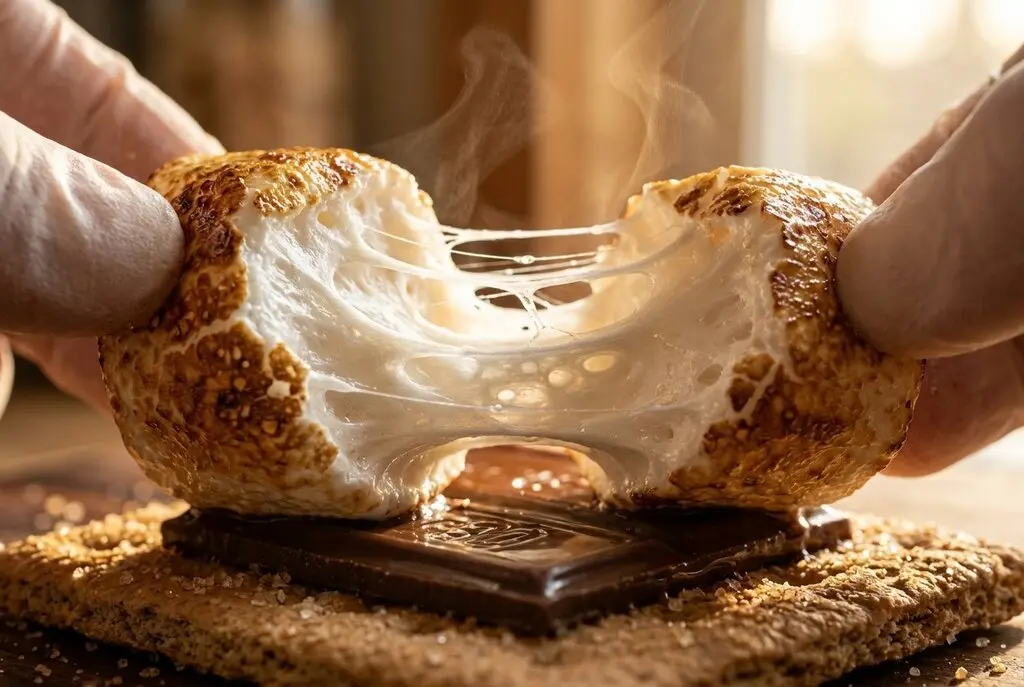
Food possesses a unique ability to comfort the human mind. A perfectly roasted marshmallow gently pulling apart or rich dark chocolate cascading over a ripe strawberry evokes immediate warmth. Today, translating these rich sensory experiences into moving cinematic images is highly accessible. The advanced capabilities of Sora 2 provide the robust foundation necessary for bringing these delicious, healing visions to life. Let us explore the structured steps required to turn simple recipe concepts into captivating visual feasts.

I. The Elements of Visual Gastronomy
-
Defining the Core Culinary Subject
Every exceptional culinary shot begins with a crystal-clear focus. The primary subject must possess innate visual contrast and high texture. For instance, a rustic sourdough loaf offers a rough, flour-dusted exterior contrasting beautifully with a soft, steaming, porous interior. Highlighting these structural differences ensures the final generated footage contains maximum visual interest. Selecting subjects with highly recognizable and appealing physical traits is the crucial first step in building a successful scene.
-
The Essential Role of Micro-Movements
Static imagery rarely conveys the true, appetizing essence of a freshly prepared meal. The magic of a healing visual lies entirely in subtle dynamics: the slow, viscous drip of golden honey, or the delicate, swirling rise of steam from a fresh cup of espresso. The Sora 2 AI excels at rendering these intricate physics, ensuring that liquids possess the correct viscosity, cheeses stretch naturally, and heat sources emit realistic, captivating vapor trails.
-
Lighting as a Narrative Instrument
Illumination dictates the mood and perceived texture of any visual piece. Soft, diffused natural overhead lighting mimics a calm morning cafe, perfectly suited for highlighting the glossy finish of pastries and fresh fruit. Conversely, deep shadows paired with warm, directional spotlights suggest a cozy, intimate dinner setting ideal for roasted meats and rich reductions. Precise lighting instructions instantly elevate a standard shot into a compelling visual narrative.
II. Preparing the Creative Workspace
-
Navigating the Creation Interface
Starting a new project requires a clean, distraction-free environment. The S2V workspace is specifically structured to keep technical hurdles minimal, allowing concentration to remain entirely on the descriptive writing process. Users simply locate the primary input text box to begin articulating their vision. A clutter-free layout ensures that the transition from a conceptual culinary idea to an active generation prompt is seamless and highly efficient.
-
Selecting the Optimal Aspect Ratio
Before drafting a description, determining the physical frame size is crucial for the final presentation. A vertical orientation provides an intimate, close-up perspective ideally suited for mobile social feeds, bringing the viewer directly into the dish. A widescreen format works best for cinematic, sweeping views of a lavishly set banquet table or a busy, atmospheric kitchen counter. Choosing these options correctly guarantees the output matches the intended viewing medium perfectly.
-
Directing the Generation Engine
Understanding how to communicate camera directions significantly enhances the final product. Directing the camera is just as important as describing the food itself. Specifying a "macro probe lens" in the prompt pushes the perspective incredibly close to the subject. Utilizing a Sora 2 AI Video prompt with explicit camera instructions, such as a "slow tracking shot" or "static extreme close-up," guarantees the output beautifully captures the intended visual angles.
III. Crafting the Perfect Textual Recipe
-
Structuring the Descriptive Prompt
A successful generation relies entirely on a logical, sequential arrangement of words. Start the description with the main subject, follow immediately with its specific action, detail the lighting conditions, and finish with the camera style. For example: "A macro shot of thick syrup dripping onto buttermilk pancakes, illuminated by warm directional sunlight." This specific formula provides a clear roadmap for Sora 2 to follow, yielding consistently professional results.
-
Choosing Precise Action Verbs
Vague verbs yield flat, unimpressive results. Instead of simply stating "cooking" or "making," utilize highly descriptive terms like "sizzling," "bubbling," "melting," "cascading," or "simmering." These action-oriented verbs trigger highly specific dynamic visual responses. They guarantee the resulting motion feels heavy, realistic, and deeply appetizing, allowing the viewer to almost hear the crackle of the crust or the pop of hot oil.
-
Incorporating Textural Adjectives
Viewers should be able to mentally feel the food through their screens. Injecting words like "velvety," "crispy," "porous," "glossy," and "tender" adds necessary visual depth to the requested image. When describing a freshly baked good, explicitly mentioning the "flaky, golden-brown, cracked crust" ensures the generated surface looks entirely realistic rather than exhibiting an artificial, smooth, or plastic-like appearance.
IV. Advanced Techniques for Realistic Motion
-
Controlling Speed and Visual Pacing
The emotional weight and healing quality of a culinary clip often depend entirely on its speed. Slow-motion emphasizes indulgence, luxury, and anticipation. Instructing the engine to simulate "120 frames per second" or "extreme slow motion" transforms a simple pour of heavy cream into a mesmerizing event. Incorporating these specific timing details into a Sora 2 AI Video prompt directly controls the emotional impact of the entire scene.
-
Managing Secondary Environmental Elements
Food never exists in a sterile vacuum. Adding subtle, contextual environmental details drastically enhances realism. Imagine a hot bowl of ramen; the inclusion of thin, wispy vapor rising against a dark, slightly out-of-focus background makes the dish significantly more inviting. A slight hint of white flour dust gently settling on a rustic wooden table provides necessary storytelling context, making the primary culinary focus feel far more authentic.
-
Perfecting the Color Palette and Tone
Deliberate color grading evokes highly specific emotional responses from the audience. Warm color palettes featuring rich oranges, yellows, and reds naturally stimulate the appetite and suggest heat, comfort, and absolute freshness. Explicitly requesting "cinematic color grading with warm, rich tones" or "cool, refreshing color palettes" ensures the Sora 2 output aligns perfectly with the intended mood, elevating the footage to a professional, mouth-watering standard.
V. Reviewing and Refining the Results
-
Analyzing Frame Consistency
Once the initial generation process concludes, careful and meticulous review is absolutely necessary. Examine the resulting footage closely for visual stability. Observe the behavior of melting ingredients or falling liquids to ensure they maintain realistic physics throughout the entire clip. The advanced processing of Sora 2 AI typically maintains strict structural integrity, but verifying the seamless flow of these micro-movements guarantees a flawless final product.
-
Adjusting the Focus and Depth of Field
Occasionally, the initial output might appear too sharp across the entire frame or lack the desired depth of field. If a busy background distracts from the beauty of the main dish, revising the text to heavily emphasize a "shallow depth of field," "heavy background blur," or "soft cinematic bokeh" will seamlessly isolate the food. The S2V interface makes these iterative, small adjustments highly straightforward and rewarding.
-
Finalizing Export Settings
The final crucial step involves preparing the finished creation for publication or sharing. Selecting the highest available resolution ensures crisp, flawlessly clear playback across all screens and devices. High-definition outputs perfectly preserve the intricate, delicate details of the food, from the microscopic bubbles in a carbonated drink to the subtle, natural grain of a wooden cutting board, maximizing the total visual impact.
Conclusion
Creating visually stunning, emotionally resonant culinary footage is an intricate art form that beautifully combines passion with precise instruction. By deeply understanding the nuances of lighting, texture, micro-movements, and pacing, anyone can craft moving imagery that profoundly delights the senses and offers a moment of visual healing. Mastering the art of descriptive writing removes traditional technical barriers and opens up entirely new avenues for artistic expression. Embrace the minute details, focus heavily on the subtle movements, and let the visual feast begin.
Related Blogs
No related blogs found.