Login
Login
The Healing Power of an Ayahuasca Retreat
In recent years, interest in plant-based healing and spiritual exploration has grown worldwide. Many people are searching for deeper meaning, emotional healing, and reconnection with themselves beyond conventional therapies. One path that continues to draw attention is the ayahuasca retreat—a traditional healing experience rooted in the Indigenous cultures of the Amazon rainforest.
An ayahuasca retreat is not a trend or a shortcut to enlightenment. It is a profound and often challenging journey that invites participants to face themselves honestly. For centuries, Indigenous communities have worked with ayahuasca as a sacred medicine, using it for healing, guidance, and spiritual insight. Today, people from all over the world are seeking these retreats with the hope of healing trauma, gaining clarity, or reconnecting with life on a deeper level.
Understanding the Origins of Ayahuasca
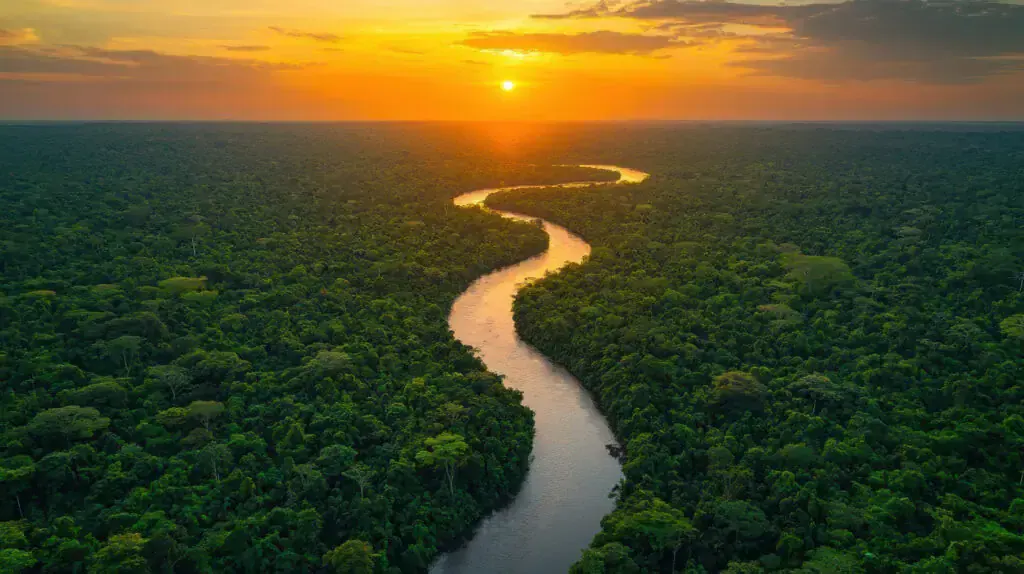
Ayahuasca is a ceremonial brew traditionally prepared from two primary plants: Banisteriopsis caapi, a sacred vine, and Psychotria viridis, a leaf containing naturally occurring DMT. Indigenous tribes of the Amazon—particularly in regions of Ecuador, Peru, Brazil, and Colombia—have used this medicine for generations.
For these cultures, ayahuasca is not a drug. It is regarded as a teacher, often referred to as “the grandmother” or “the vine of the soul.” The medicine is used to diagnose illness, restore balance, and maintain harmony between individuals, their communities, and nature.
An authentic ayahuasca retreat respects these roots and preserves the ceremonial framework in which the medicine has always been used.
What Happens During Ayahuasca Ceremonies
Ayahuasca ceremonies are typically held at night in a quiet, protected space. A trained shaman or facilitator guides the experience, holding the ceremonial container and ensuring safety on a physical, emotional, and energetic level.
Participants drink the brew and enter a deeply introspective state that can last several hours. Experiences vary widely. Some people report vivid visions, emotional releases, or powerful insights into their lives. Others experience physical purging, such as vomiting or sweating, which is traditionally understood as a form of cleansing rather than something negative
Ayahuasca ceremonies are not recreational experiences. They require surrender, trust, and respect for the process. The medicine often brings unresolved emotions or subconscious patterns to the surface, allowing participants to confront and process them.
Why Preparation Is Essential
A responsible ayahuasca retreat places great emphasis on preparation. This usually includes a dietary protocol, often called the “dieta,” which begins one to two weeks before the retreat. Participants are asked to avoid alcohol, drugs, processed foods, and certain medications.
Beyond physical preparation, mental and emotional readiness is equally important. Ayahuasca has a way of amplifying what is already present within a person. Entering the experience with clear intentions and realistic expectations can significantly influence its depth and integration.
Preparation also involves understanding that ayahuasca is not a miracle cure. It can open doors, reveal truths, and catalyze healing—but the real work often continues long after the ceremonies end.
The Role of the Shaman and Lineage
One of the most critical aspects of an ayahuasca retreat is the presence of an experienced shaman. Traditionally, shamans undergo decades of training, including isolation in the jungle, strict diets, and direct apprenticeship within a lineage.
During ayahuasca ceremonies, the shaman works with icaros—sacred songs believed to guide and shape the energetic flow of the ceremony. These songs are not learned intellectually but received through years of communion with the plants.
A retreat led by a shaman who is deeply rooted in authentic lineage offers a level of safety and spiritual depth that cannot be replicated in commercial or poorly facilitated settings.
Healing Beyond the Ceremony
Many people come to an ayahuasca retreat seeking healing from anxiety, depression, grief, or unresolved trauma. While ayahuasca is not a substitute for medical treatment, research and anecdotal evidence suggest it can support emotional processing and self-awareness when used responsibly.
The medicine often reveals patterns—relationships, behaviors, or beliefs—that no longer serve a person’s well-being. However, insight alone is not enough. Integration, the process of applying these insights to daily life, is essential.
High-quality retreats provide integration support through sharing circles, guidance, and post-retreat resources. Without integration, even the most powerful ayahuasca ceremonies can lose their long-term impact.
Who Should—and Should Not—Attend an Ayahuasca Retreat
An ayahuasca retreat is not suitable for everyone. Individuals with certain mental health conditions, such as psychosis or severe bipolar disorder, are generally advised not to participate. The same applies to people taking specific medications that can interact dangerously with the brew.
A responsible retreat will always include a thorough medical and psychological screening process. This is a sign of professionalism and respect for participant safety.
For those who feel genuinely called, prepared, and supported, an ayahuasca retreat can be a deeply transformative experience—but it should never be approached lightly.
The Growing Global Interest in Ayahuasca Retreats
As modern life becomes increasingly disconnected from nature and inner stillness, more people are turning toward ancient practices for grounding and healing. Ayahuasca retreats now exist across South America and beyond, though the most respected ones remain close to the medicine’s ancestral roots.
Global interest has brought both positive attention and serious challenges. Commercialization, cultural appropriation, and inexperienced facilitators have become concerns within the ayahuasca community. This makes discernment more important than ever.
Choosing an ayahuasca retreat should involve careful research, listening to intuition, and prioritizing authenticity over convenience.
Ayahuasca as a Path of Responsibility
Ayahuasca ceremonies are not about escape. They often demand courage, humility, and accountability. The medicine does not give easy answers—it reveals what is already within.
Many people leave an ayahuasca retreat with a renewed sense of responsibility toward themselves, their relationships, and the planet. This is perhaps one of the most profound aspects of the experience: the reminder that healing is not just personal, but collective.
Final Reflections
An ayahuasca retreat can open doors to deep healing, insight, and spiritual connection—but only when approached with respect and intention. It is not a solution to be consumed, but a relationship to be cultivated.
For those who feel genuinely called and are willing to prepare, surrender, and integrate, ayahuasca ceremonies can offer a rare opportunity to reconnect with the deeper rhythms of life.
In a world that often moves too fast, the ancient wisdom of the Amazon invites us to slow down, listen, and remember who we are beneath the noise.
Related Blogs
No related blogs found.